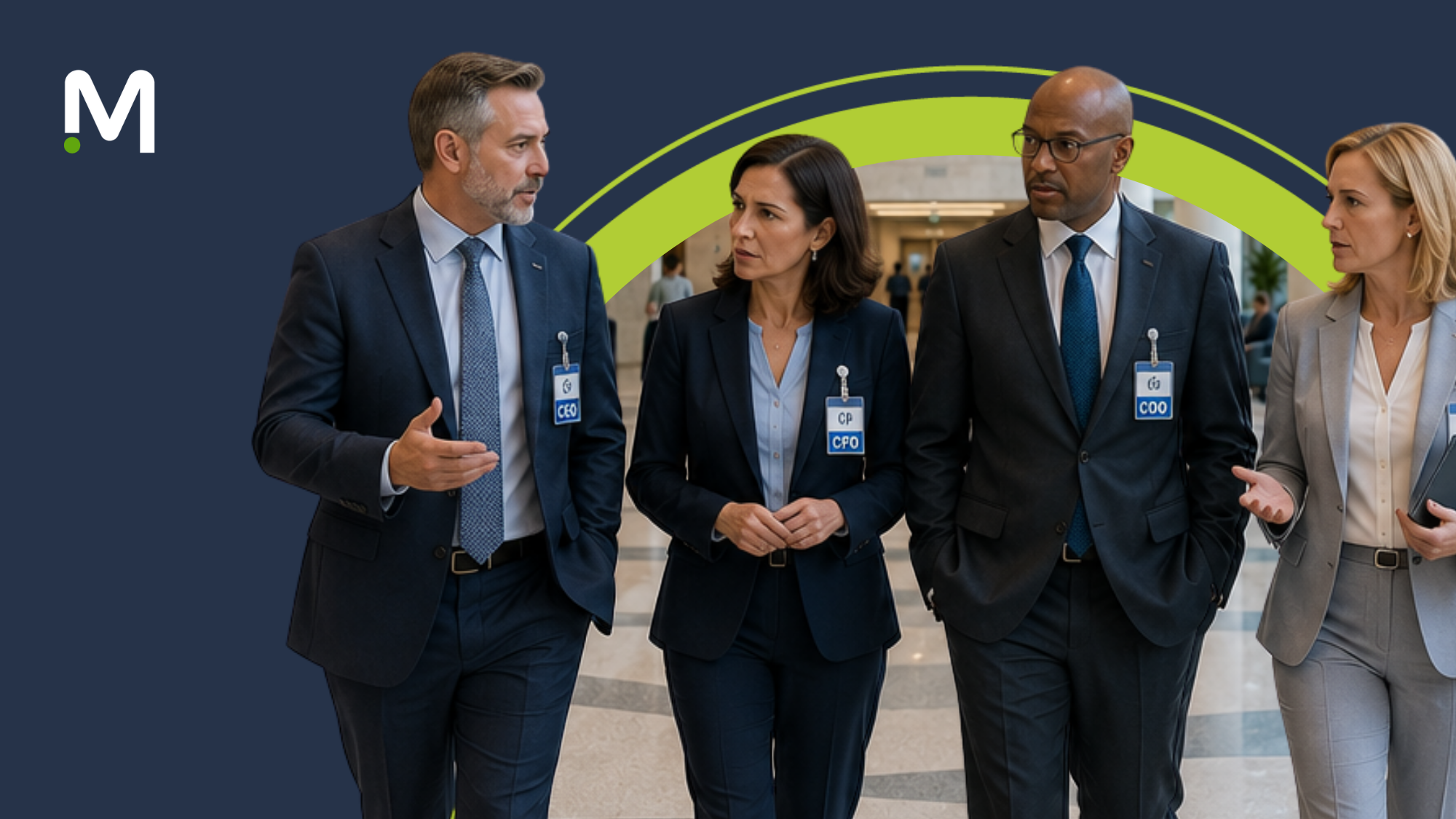

Technology can help you make staffing faster, smarter, and more visible. But it can’t solve your workforce challenges by itself. You still need people who understand what the data means, know what is happening in the healthcare labor market, and can help you decide what moves to make next.
That’s where the best healthcare workforce solutions are heading: toward a smarter combination of technology, workforce expertise, and real partnership. And the stakes are high. According to the American Hospital Association, about 60% of hospital expenses went toward the workforce in 2025, with workforce costs increasing 5.6% year over year.
That puts a lot of pressure on every workforce decision, and on the technology you rely on to make those decisions.
How Can Healthcare Workforce Technology Make Your Job Easier?
Healthcare workforce technology should give you better visibility, reduce manual work, and make it easier to act on the data you’re seeing.
That might mean helping you:
- Spot coverage and labor-cost trends sooner
- Automate repetitive staffing and credentialing tasks
- Manage vendors and compliance in one place
- Better understand how you’re using internal and external talent
- Forecast needs instead of reacting to them
When you’re managing fill rates, clinician quality, labor costs, retention, and daily staffing pressure all at once, that visibility matters.
But visibility is only valuable if someone can help you turn it into action.
Why Isn’t Technology Enough to Solve Healthcare Staffing Challenges?
Tech alone isn’t enough because your workforce challenges aren’t just software problems. They’re people and operations challenges, too.
A dashboard might show you that contingent labor spend is climbing. It can’t tell you, on its own, whether the right next move is to strengthen your internal resource pool, adjust your recruiting strategy, change your talent mix, or tackle a retention issue for a particular unit.
That’s where human judgment matters. Your staffing model is shaped by your budget, patient demand, workforce culture, local labor market, clinical priorities, and long-term goals. Effective workforce management in healthcare has to account for all of them.
We’ve written before about why filling shifts isn’t the same as fixing workforce instability. The same principle applies here: technology can help you respond faster, but lasting improvement comes from understanding what’s driving the problem in the first place.

What Does the Right Balance of Technology and Human Expertise Look Like?
The right combination of hands-on partnership + adaptive tech helps you see what’s happening, act faster, and make better-informed decisions while still giving you experienced contacts to call when the answer isn’t obvious.
That can look like:
- More clarity. Analytics and dashboards help you understand staffing, utilization, costs, and performance without piecing together information from multiple places.
- Less friction. Automation can take repetitive work out of staffing, credentialing, compliance, and vendor management.
- Better planning. Workforce data can help you anticipate pressure instead of waiting for a staffing gap to become urgent.
- A real person behind the technology. When conditions change, you have a partner who knows your workforce and can help you adjust.
That last piece matters. A true healthcare workforce solutions partnership doesn’t simply hand you tools and wait for the next request. They work alongside you when staffing, cost, and operational pressures collide.
What Should You Expect From a Healthcare Workforce Partner?
You should have a healthcare workforce partner who understands what your organization is trying to accomplish and helps you connect today’s staffing decisions to bigger outcomes: workforce stability, clinician satisfaction, cost control, and continuity of care.
This means bringing together:
- Healthcare workforce expertise
- Responsive, personal support
- Useful insights and analytics
- Flexible staffing and talent strategies
- Strong clinician and credentialing support
- A shared focus on your operational and financial goals
That’s what it means to have a healthcare workforce partner, not just a contracted vendor[TD6.1]. Because when you’re dealing with something as complex as your workforce, you shouldn’t have to choose between sophisticated technology and a partner who actually knows you.
At Medical Solutions, we believe you need both. We provide healthcare workforce technology to give you greater visibility, efficiency, and control, and then we supplement with healthcare expertise, relationships, and hands-on support that help turn those capabilities into results.
Because the future of the healthcare workforce isn’t technology replacing people, it’s more capable technology helping the right people make better decisions together.