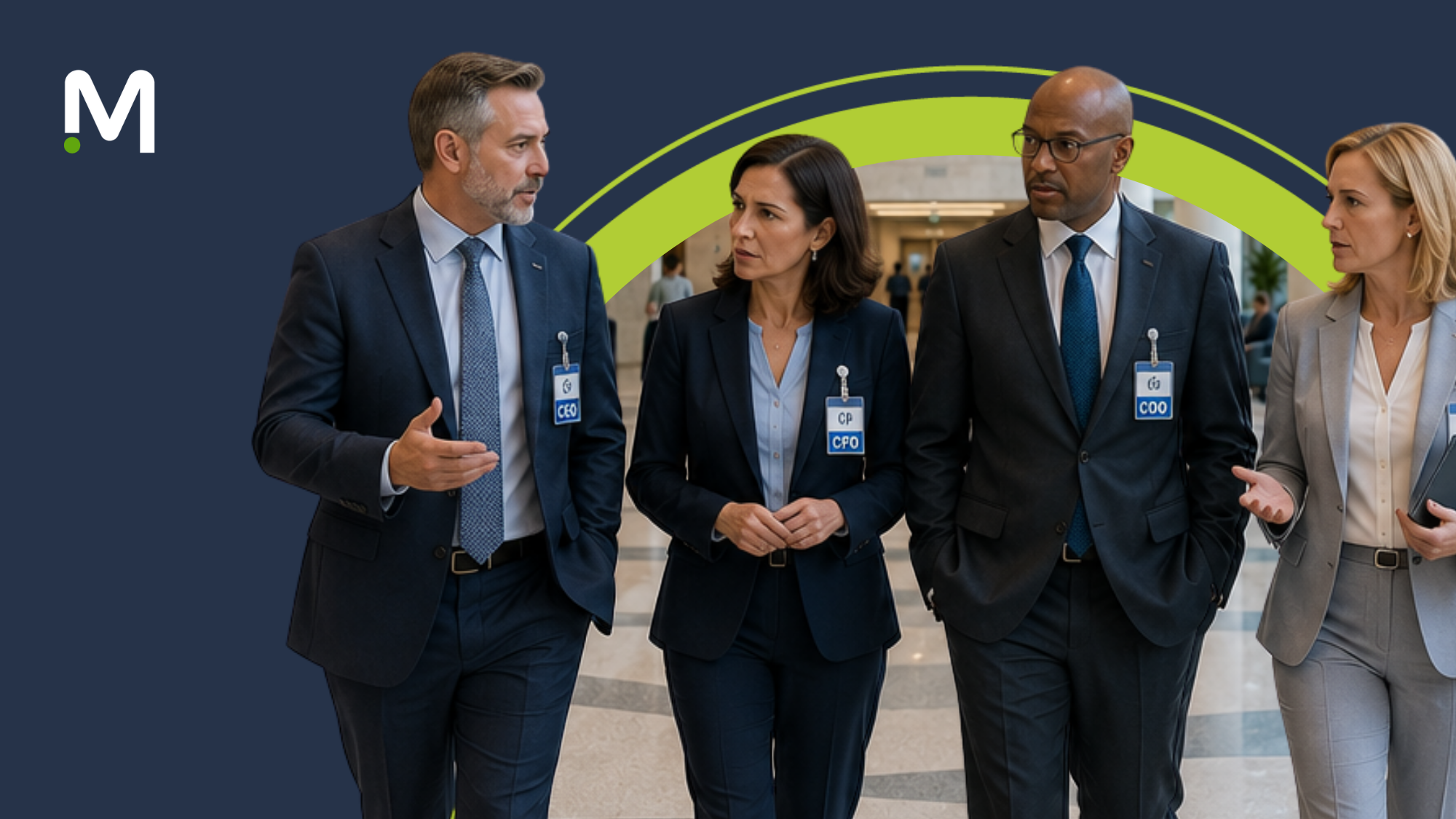

When your hospital is looking for a trusted healthcare staffing partner, what you should really be looking for is a full-service healthcare workforce solutions partner that understands the complexities of behavioral health care.
Behavioral health units face some of the most persistent workforce shortages in healthcare, particularly among nurses, social workers, and occupational therapists. These roles are central to patient safety, emotional stabilization, discharge planning, and long-term recovery. Yet, hospitals across the United States continue to struggle with recruiting and retaining enough of these skilled clinicians to meet the rising needs of patients.
A Growing Clinician Shortage in Behavioral Health Units
Behavioral health demand has increased significantly in recent years, while the supply of qualified clinicians has remained relatively stable. According to the Bureau of Labor Statistics, the United States will see an average of 194,500 open registered nurse positions every year through 2032. This shortage affects all service lines, but behavioral health units feel it acutely because these nurses require specialized experience and training in crisis management and patient de-escalation.
The shortage even extends beyond nursing. HRSA reports that more than 122 million Americans live in Mental Health Professional Shortage Areas, meaning hospitals must compete for a very limited pool of social workers, counselors, and allied health clinicians. A review by the National Association of State Mental Health Program Directors found that most states report ongoing shortages of MSW-level social workers and behavioral health-trained allied professionals, and that clinician burnout compounds these challenges
For hospital leaders, these gaps translate into longer patient wait times, higher lengths of stay, safety concerns, and significant pressure on existing staff. Filling these roles is no longer a matter of convenience. It is central to maintaining operational capacity and quality of care.
The Essential Roles Inside Behavioral Health Units
Behavioral health care relies on an interdisciplinary team. Three roles are often the most difficult to staff consistently:
1. Behavioral Health RNs
These nurses lead patient assessment, administer medications, monitor symptoms, support crisis intervention, and coordinate with therapists and physicians. Their presence is essential to maintaining a stable and therapeutic environment.
2. Social Workers
Social workers manage psychosocial assessments, lead therapy groups, support family engagement, and coordinate discharge planning. They also link patients to community resources and outpatient care, which is especially important in preventing readmissions.
3. Occupational Therapists
OTs help patients develop coping strategies, build daily living skills, and engage in therapeutic activities that reinforce emotional regulation. Their interventions often support both short-term stabilization and long-term functional improvement.
Vacancies in any of these positions create both clinical and operational challenges, which is why many hospitals look for a staffing partner or healthcare partner for supplemental support. However, choosing the right type of partner matters.
How a Workforce Solutions Partner Helps Hospitals Fill These Roles
Working with a healthcare workforce solutions partner provides hospitals with access to both immediate staffing support and long-term workforce planning resources that traditional staffing agencies cannot offer. Medical Solutions supports behavioral health units by helping leaders fill critical roles while also addressing the underlying workforce pressures contributing to ongoing vacancies.
Hospitals benefit from:
- Access to specialized behavioral health clinicians, including nurses, social workers, and occupational therapists who already have training in crisis intervention and trauma-informed care.
- Faster hiring and onboarding supported by national clinician networks and behavioral health-specific credentialing processes.
- Flexible staffing models such as travel clinicians, local contracts, and permanent placement support that adapt to fluctuating census levels.
- Workforce analytics and insights that help hospital leaders understand vacancy impact, turnover trends, and staffing risks.
- Long-term retention strategies designed to support clinicians’ well-being and reduce burnout in high-acuity behavioral health environments.
Working with a trusted healthcare staffing partner model allows hospitals to meet immediate staffing needs while also building a more resilient and sustainable behavioral health workforce.
What Hospital Leaders Should Consider for Recruitment and Retention
Behavioral health clinicians face emotional, physical, and professional pressures unique to these care settings. In addition to working with the right workforce solutions partner, effective recruitment and retention require intentional strategies. Hospital leaders should consider:
- Providing onboarding that prepares clinicians for behavioral health workflows and team dynamics.
- Offering training in crisis intervention and evidence-informed practices.
- Prioritizing emotional support and burnout prevention.
- Ensuring safe staffing levels and accessible leadership support.
- Creating opportunities for ongoing professional development and career advancement.
A Partnership-Driven Approach
Medical Solutions brings experience and scale that help hospitals build strong behavioral health teams. With access to specialized behavioral health clinicians and a full-service workforce strategy model, Medical Solutions helps hospitals reduce staffing disruptions, protect care quality, and maintain operational continuity.
If your hospital is ready to strengthen its behavioral health workforce, we can help you fill key nursing and allied health roles and build a long-term plan that supports both your clinicians and your patients. Reach out to Medical Solutions today to learn how, as a trusted healthcare staffing partner, we can support your behavioral health staffing needs and partner with you to build a more stable and sustainable workforce.