What if you could see the future? Everyone has asked that question to themselves at one time or another. That’s not entirely a fantasy or science fiction now, with the use of machine learning and predictive modeling.
Nothing can perfectly predict an unknown future. But a clearer view of current data creates a better understanding of everything from patient volume to future staffing levels. The ability to see and anticipate future conditions provides a significant step in managing and reducing risk.
Labor supply and demand changes have made it harder to rely on historical trends and using those can amount to guesswork. Predictive modeling can help reduce speculation and allow healthcare leaders to make staffing decisions faster and with more confidence.
Scott Armstrong, senior director of client growth, and Jason Lander, EVP of product and service innovation, at Medical Solutions, spoke with HealthLeaders about the future of predictive modeling in healthcare staffing. Read the full article here. In the interview, they articulate why it is a smart solution for an increasingly complicated industry.
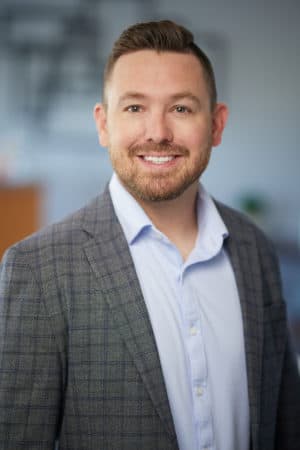
“We’ve seen our industry’s purchasing process for contingent labor become more dynamic and sophisticated,” Armstrong said. “It is a group purchasing effort that, in addition to clinicians, often includes supply chain, purchasing, and financial teams.”
Predictive models can support these kinds of multi-departmental efforts with current and trend data to support pricing and staffing strategies. Armstrong and Lander both advocate for their use, especially in light of the pandemic, the great resignation, and other recent trends.

“If your staffing partner doesn’t offer machine learning-based technologies that produce predictive outcomes, you are not as equipped as you could be to make the best decisions,” Lander said.
You can read their entire interview with HealthLeaders here.
The use of artificial intelligence and machine learning is just a part of the complete healthcare workforce ecosystem offered to Medical Solutions’ clients. Learn more about our total workforce solutions, or reach out to start a conversation with our experts today.