Updated June 5, 2026
A healthcare recruiter should be more than a name in your inbox. The right recruiter becomes a career partner, a problem-solver, and someone who helps you feel more confident about your next move.
For travel nurses and allied health professionals, a recruiter can make the job search feel less overwhelming. They help you understand your options, talk through assignment details, answer questions, and support you through each step of the travel healthcare process.
So, what does a healthcare recruiter actually do? Here’s a closer look at how recruiters support clinicians every day.
What Does a Healthcare Recruiter Do?
A healthcare recruiter helps clinicians find assignments that fit their experience, goals, and personal needs. For travel nurses and allied health professionals, recruiters are often the main point of contact throughout the job search, submission, onboarding, assignment, and extension process.
A recruiter can help with things like:
- Learning what you want in your next assignment
- Matching you with travel, local, or other healthcare job opportunities
- Explaining job details, pay packages, and assignment expectations
- Submitting your profile to open positions
- Sharing updates during the hiring process
- Supporting you during your assignment
- Helping you plan what comes next
But the role is also personal. Recruiters get to know your preferences, career goals, family needs, and what makes an assignment feel right for you.
How Do Recruiters Help Travel Nurses and Allied Health Professionals?
Recruiters help travel nurses and allied health professionals understand their options and move through the assignment process with more confidence.
Maybe you’re ready for your next assignment, but you’re not sure where you want to go. Maybe you need a specific shift, want to be closer to family, or are looking for a role that helps you grow in your specialty. Your recruiter can help you sort through those priorities and find opportunities that align with what matters most.
They may ask questions like:
- What locations are you open to?
- What shift works best for you?
- Are you looking for higher pay, new experience, or a specific facility type?
- Are you hoping to extend, take time off, or plan back-to-back assignments?
Sometimes a job looks great on paper, but the details matter. A recruiter can help you look beyond the listing and decide whether an assignment truly fits your goals.
What Does a Healthcare Recruiter Do Every Day?
A recruiter’s day is a mix of conversations, job searches, updates, problem-solving, and relationship-building. No two days look exactly the same because every clinician’s goals are different.
On a typical day, a healthcare recruiter may:
- Check in with clinicians on current assignments
- Review new travel nursing and allied health job openings
- Talk with clinicians about upcoming availability
- Submit profiles to open positions
- Follow up on interviews, offers, and start dates
- Coordinate with credentialing, payroll, benefits, and other internal teams
- Discuss extensions or future job options
The work moves quickly, and recruiters often balance exciting wins with unexpected challenges. A job may close fast. A start date may shift. A clinician may need help with a credentialing item or support after a hard shift.
Senior Recruiter and Team Lead Lucas Adams described it this way: “There can be high highs and low lows in this gig. I would say that the biggest struggle I have encountered is not being able to control the entire process and having to find peace with that.”
That honesty matters because healthcare recruiting is not just about filling jobs. It is about helping people navigate a process that can feel exciting, stressful, and personal all at once.
Why Is the Recruiter-Clinician Relationship Important?
The recruiter-clinician relationship matters because trust makes the assignment process easier. When your recruiter understands your goals, communication style, and priorities, they can better support you and help you make informed decisions.
A strong healthcare recruiter relationship is built through honest conversations, consistent follow-up, and a shared understanding of what matters most to you. Your recruiter should help you understand your options clearly, communicate what they know, and support you without making the process feel pressured.
That trust becomes especially important when assignments move quickly or unexpected changes come up. When your recruiter already knows your goals, they can help you make decisions with more confidence.
What Are Examples of Recruiter and Clinician Collaboration?
Recruiter-clinician collaboration can happen in many ways. It may look like comparing assignments, talking through pay packages, finding a location that fits your lifestyle, or planning your next move before your current contract ends.
For example, a travel nurse may work with their recruiter to find assignments in warmer locations while gaining experience in a new setting. An allied health professional may need help comparing shift options, facility types, and contract details. A clinician with family commitments may need a recruiter who understands timing, distance, and flexibility.
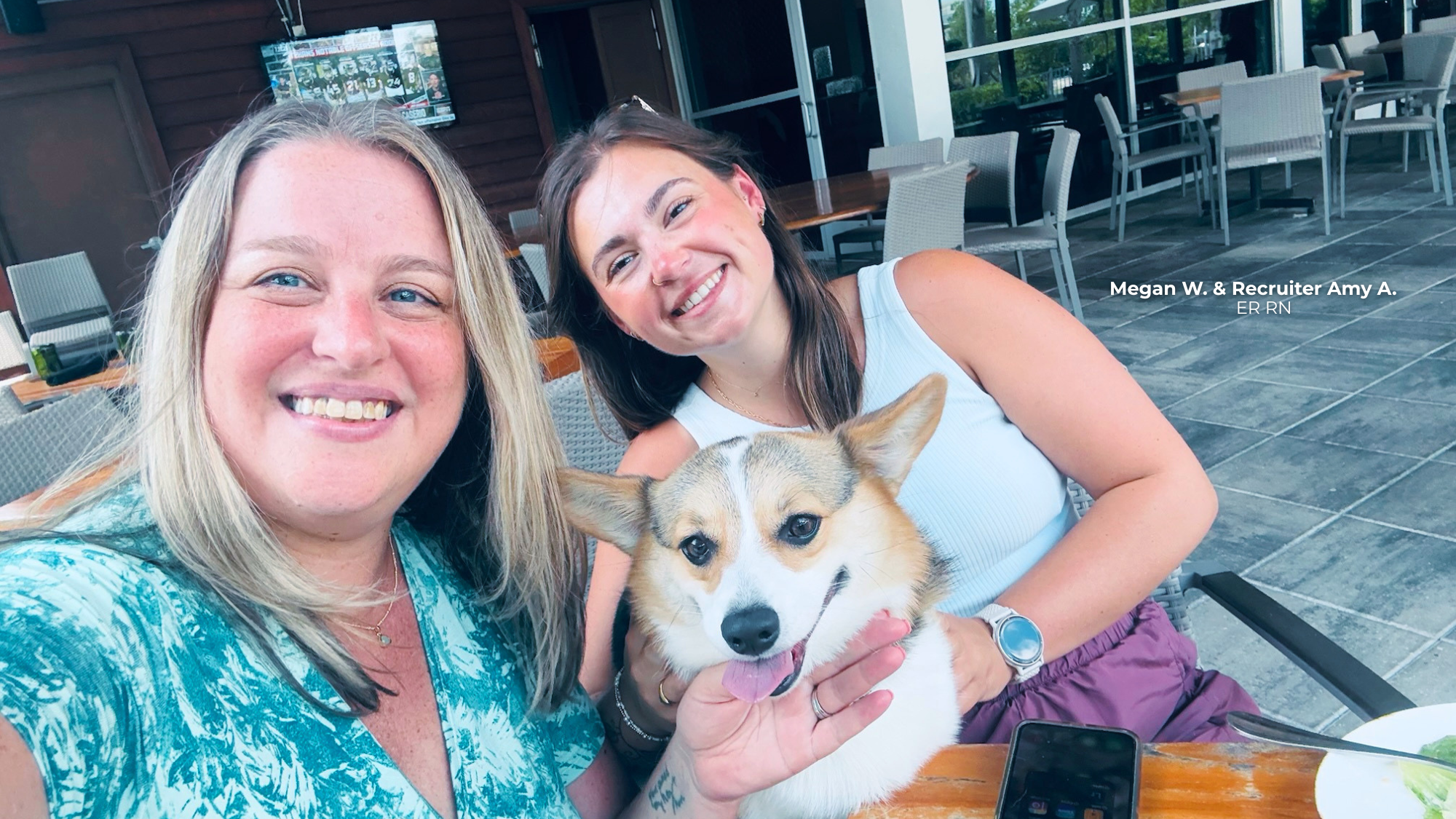
Sometimes, collaboration becomes even more personal. Recruiter Jennifer Valdivia shared a story about a CT tech who wanted to earn as much as possible to help pay for his wedding and his fiancée’s wedding dress while she was caring for her mother. After four assignments, he was able to reach that goal.
That kind of partnership shows how the right assignment can support more than a career. It can help clinicians move toward important life goals, too.

How Can Clinicians Communicate Better with Their Recruiter?
The best recruiter relationships are built on open, honest, and consistent communication. Your recruiter can support you better when they know what you want, what you need, and what may be changing.
A few helpful communication tips include:
- Be clear about your must-haves and nice-to-haves.
- Share your preferred locations, shifts, specialties, and start dates.
- Be honest about pay expectations and flexibility.
- Respond quickly when jobs move fast.
- Ask questions when something feels unclear.
- Tell your recruiter if your goals change.
You do not need to have everything figured out before talking with a recruiter. Part of their role is helping you sort through your options.
How Do Recruiters Support Clinicians During Challenges?
Even with the right planning, travel healthcare can come with challenges. Recruiters help clinicians navigate the parts of the process that may feel confusing or stressful.
A healthcare recruiter may help when:
- A job closes before submission
- Credentialing requirements feel overwhelming
- A start date changes
- A clinician is deciding between offers
- A traveler has questions during an assignment
- A clinician is unsure whether to extend or move on
Recruiters cannot control every part of the process, but they can help you understand what is happening, what options you have, and what steps come next.
Why the Right Healthcare Recruiter Matters
Healthcare recruiting is about connection. Yes, recruiters help travel nurses and allied health professionals find jobs. But the best recruiters also help clinicians feel seen, supported, and prepared for what comes next.
Travel healthcare is full of movement, change, and opportunity. Having a recruiter you trust gives you a steady partner through all of it.
Ready to explore your next assignment? Apply today to connect with Medical Solutions and nursing and allied health opportunities that fit your goals, lifestyle, and next chapter.