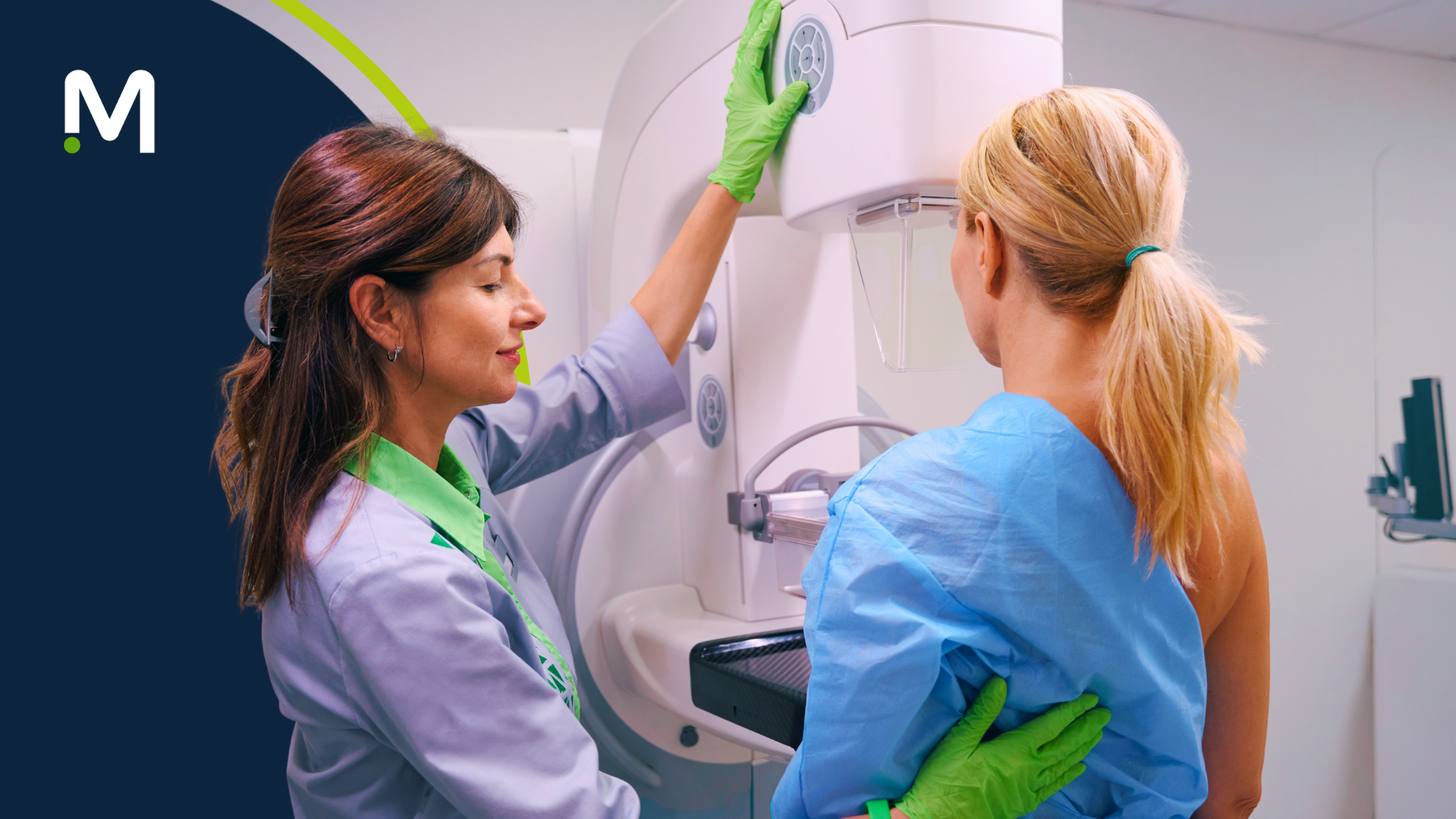
Mammography technologists play an important role in breast cancer screening and early detection, combining specialized imaging expertise with compassionate, one-on-one patient care. For radiologic technologists looking to grow their skills or aspiring clinicians exploring medical imaging careers, mammography offers a meaningful path with opportunities in hospitals, breast centers, outpatient facilities, and mobile screening programs.
This guide covers how to become a mammography technologist, including education, mammography certification, daily responsibilities, salary factors, career growth, and travel and permanent mammography tech jobs.
What Is a Mammography Technologist?
A mammography technologist is a radiologic technologist who specializes in producing detailed images of breast tissue to support breast cancer screening, diagnosis, and follow-up care. These clinicians operate mammography equipment, position patients carefully, evaluate image quality, follow radiation safety standards, and help patients feel informed and comfortable throughout an often stressful exam. A mammography technologist career combines advanced imaging skills with meaningful patient interaction.
What Does a Mammography Technologist Do?
Mammography technologists perform screening and diagnostic breast imaging procedures under established clinical protocols. Their typical responsibilities include:
- Reviewing orders, patient histories, symptoms, and prior images
- Explaining procedures and answering questions within their scope of practice
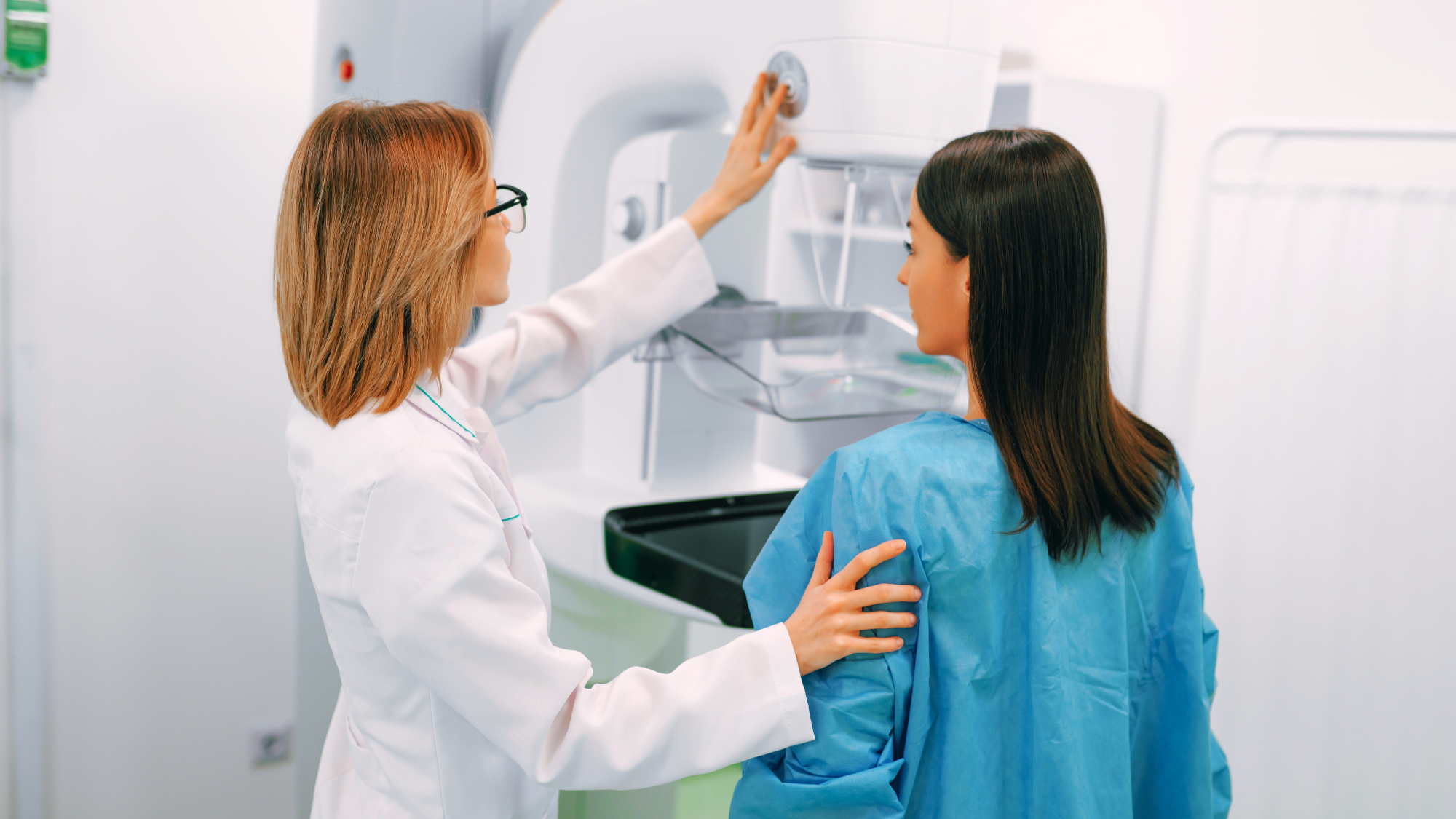
- Positioning the patient and breast tissue to capture accurate images
- Applying appropriate compression and radiation safety practices
- Operating digital mammography and, when trained, 3D mammography equipment
- Checking images for positioning, exposure, motion, and technical quality
- Working with radiologists when additional views are needed
- Documenting procedures and maintaining patient records
- Completing required quality-control tasks
- Following federal, state, and facility standards
Because mammograms can cause anxiety or discomfort, empathy, communication, and attention to patient dignity are central to the role.
How Do You Become a Mammography Technologist?
The most common path includes five steps:
- Complete an accredited radiologic technology program. Many radiologic technologists begin with an associate degree, although bachelor’s programs are also available.
- Earn radiography certification and registration. The American Registry of Radiologic Technologists, or ARRT, requires candidates pursuing its postprimary mammography credential to first hold certification and registration in Radiography.
- Meet mammography training requirements. Candidates complete structured education and supervised clinical experience in mammography.
- Pass the mammography certification exam. Eligible candidates can apply for the ARRT Mammography examination after completing the required education and clinical procedures.
- Meet state and employer requirements. Licensing rules vary by state, and employers may have additional competency, background check, health, or experience requirements.
ARRT’s postprimary pathway includes requirements related to education, ethics, clinical experience, and examination. Federal Mammography Quality Standards Act, or MQSA, regulations also establish personnel qualifications for technologists performing mammography.
What Mammography Certification and Licensing Are Required?
Mammography technologists generally need a combination of radiography credentials, mammography-specific training, and any license required by the state where they work.
Under federal MQSA standards, mammographic examinations must be performed by qualified radiologic technologists. The regulations include initial mammography training as well as continuing education and experience requirements. State rules can add separate licensing or renewal obligations, so clinicians should confirm requirements with the appropriate state agency before applying for mammography tech jobs.
Certification and compliance requirements can change. Always verify current eligibility, education, examination, and renewal standards directly with ARRT, the FDA, and the relevant state licensing board.
What Skills Do Mammography Technologists Need?
Successful mammography technologists bring together clinical, technical, and interpersonal abilities, including:
- Precise patient positioning
- Knowledge of breast anatomy and pathology
- Equipment operation and quality control
- Radiation safety
- Clear, compassionate communication
- Attention to detail
- Adaptability for patients with mobility limitations, implants, or prior procedures
- Physical stamina and safe patient-assistance techniques
- Professionalism and confidentiality
These skills help technologists produce clear, accurate images while delivering respectful and reassuring patient care.
Where Do Mammography Technologists Work?
Mammography technologists may find opportunities in:
- Hospitals and health systems
- Outpatient imaging centers
- Breast care centers
- Women’s health clinics
- Physician practices
- Mobile mammography programs
- Public health and community screening programs
Work schedules depend on the setting. Outpatient centers may offer regular weekday hours, while hospitals and mobile programs may include early mornings, evenings, weekends, or rotating coverage.
How Much Do Mammography Technologists Make?
Mammography technologist pay can vary based on job type, location, experience, certifications, shift, employer, facility type, assignment length, and demand.
The U.S. Bureau of Labor Statistics includes mammography within the broader radiologic technologist category, and the median annual wage for radiologic technologists and technicians is $78,980.
Travel compensation may also include taxable wages and eligible stipends, but every package is different. Compare the full compensation package, schedule, benefits, housing costs, and contract terms rather than focusing on one number.
What Is the Career Outlook for Mammography Technologists?
Demand for medical imaging professionals is supported by the ongoing need for diagnostic services and qualified clinicians who can perform specialized procedures.
The BLS projects employment of radiological techs to grow 5% from 2024 to 2034, faster than the average for all occupations. Mammography is not reported as a separate occupation, but specialized certification and experience can help technologists compete for breast imaging roles.

How Can a Mammography Technologist Advance?
Career growth may come through added clinical expertise, leadership, education, or additional imaging credentials. Possible paths include:
- Lead or senior mammography technologist
- Quality-control technologist
- Breast imaging coordinator
- Clinical educator or applications specialist
- Imaging supervisor or manager
- Additional credentials in breast sonography, computed tomography, or magnetic resonance imaging
- Bachelor’s or graduate education in healthcare administration, education, or a related field
Technologists may also strengthen their career options by gaining experience with new breast imaging technologies, quality assurance processes, and different patient populations.
Should You Choose Travel or Permanent Mammography Tech Jobs?
Choosing between travel mammography tech jobs and permanent mammography tech jobs comes down to the type of flexibility, stability, and career experience you want.
| Travel mammography jobs | Permanent mammography jobs |
| Contract-based assignments in different locations | Long-term role with one employer |
| Exposure to varied workflows, teams, and patient populations | Greater continuity with patients and coworkers |
| Flexibility to choose assignments that fit career and lifestyle goals | Consistent schedule, benefits, and workplace routines |
| Opportunity to build a broad professional network | Clearer access to facility-based leadership tracks |
| Best for clinicians who value variety and mobility | Best for clinicians who value stability and long-term growth |
The right choice depends on your experience, priorities, family needs, financial goals, and preferred work style. Medical Solutions supports both travel and permanent opportunities, giving mammography technologists more ways to shape their careers.
Build a Mammography Career That Fits Your Goals
Becoming a mammography technologist can open the door to a focused imaging specialty where technical precision and compassionate care matter every day. With the right education, clinical training, mammography certification, and experience, you can pursue opportunities in hospitals, imaging centers, breast care programs, and mobile settings.
When you are ready to explore what comes next, Medical Solutions can be your healthcare career partner. Browse mammography tech jobs or apply to connect with a recruiter and find travel, local, PRN, or permanent opportunities aligned with your goals.
Frequently Asked Questions
What Is the Difference Between Screening and Diagnostic Mammography?
Screening mammography is generally performed for patients without symptoms as part of routine breast cancer detection. Diagnostic mammography evaluates a specific concern, symptom, prior finding, or area that requires additional imaging.
Do Mammography Technologists Tell Patients Their Results?
Mammography technologists can explain the procedure and provide appropriate patient education, but image interpretation and diagnosis are handled by a qualified physician. Facilities communicate results according to applicable laws, regulations, and clinical policies.
Can Mammography Technologists Perform 3D Mammograms?
Qualified technologists may perform digital breast tomosynthesis, commonly called 3D mammography, after completing the required modality-specific training and meeting facility and regulatory standards. MQSA regulations require additional training before technologists begin using a mammographic modality for which they were not previously trained.