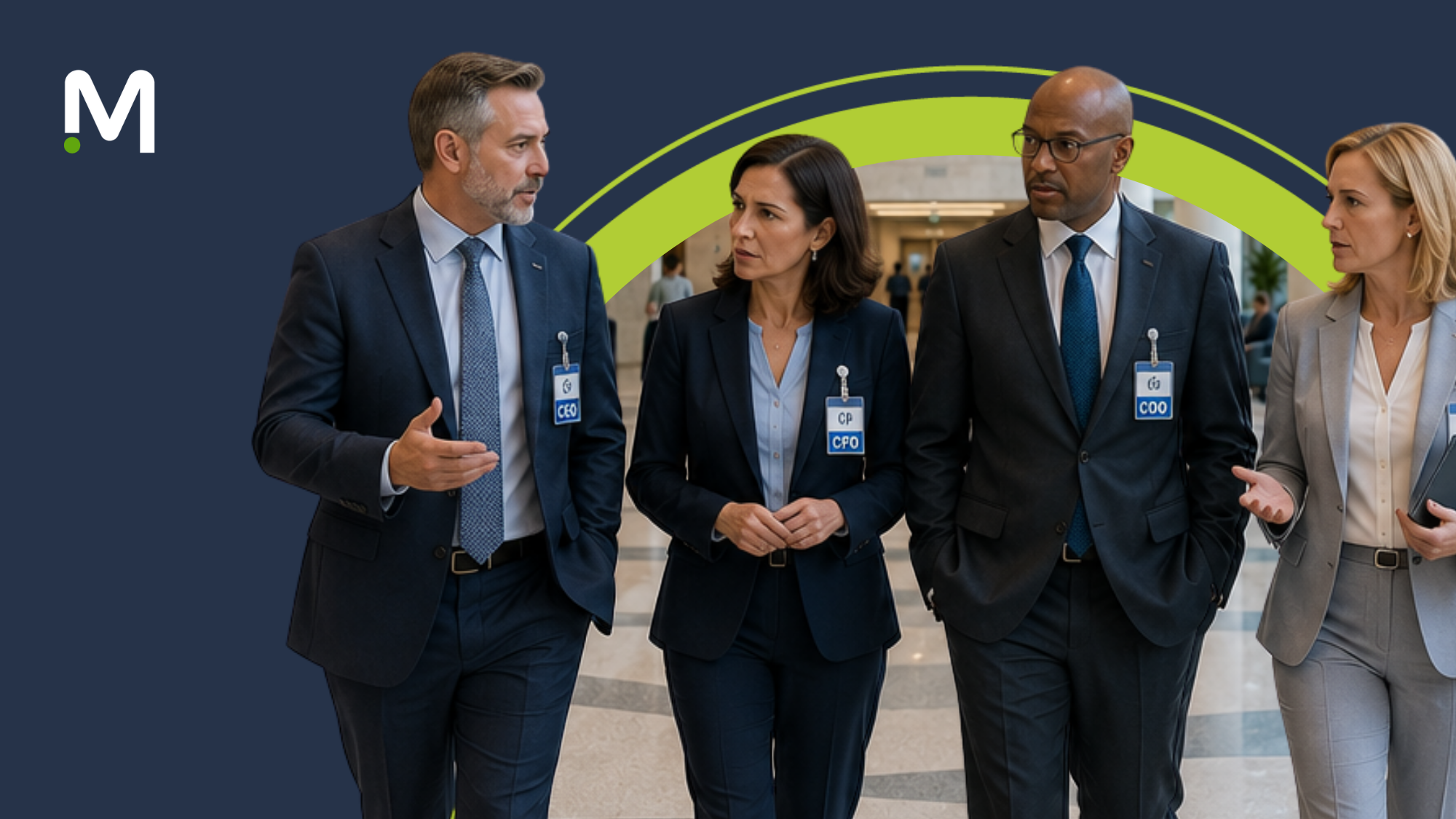

When healthcare shifts, workforce strategy has to shift with it. Staffing shortages. Rising labor costs. New care delivery models. Technology expectations. Healthcare leaders are navigating change on every front, creating new opportunities to rethink how workforces are planned, supported, and sustained.
At Medical Solutions, we believe the future of healthcare workforce innovation starts with listening first. When healthcare leaders tell us what’s changing inside their organizations, we pay attention. And then we build solutions that help them move forward with more flexibility, visibility, and control.
That’s how we’ve evolved the past 25 years from a travel nurse staffing company into a total workforce solutions partner spanning healthcare staffing strategy, technology, innovation, and long-term workforce stability. And it’s why we continue to grow alongside the industry itself.
When your workforce needs change, so do we.
What Healthcare Leaders Are Telling Us About Their Challenges
In Medical Solutions’ 2025 Client Feedback Survey, representing responses from more than 1,300 healthcare leaders:
- More than 60% of leaders reported difficulty filling roles quickly, while many also pointed to growing pressure around workforce visibility, flexibility, and long-term sustainability.
- At the same time, 50% said internal workforce inefficiencies have increased, and 59% ranked having a trusted workforce partner as highly important in today’s environment.
The message behind those conversations was clear: healthcare organizations don’t just need more staffing support. They need workforce models built for change.
Instead of continuing to rely on short-term solutions of the past, health systems are blending contingent staffing, direct hire, float pools, internal resource pools (IRPs), and workforce technology to build balanced, sustainable care models. As highlighted in our 5 Workforce Trends Every Healthcare Leader Should Be Watching guide, workforce balance is replacing one-size-fits-all staffing across the industry.
And that shift is changing what healthcare organizations expect from workforce partners.
A Real-World Example of Feedback-Driven Workforce Innovation
One health system faced a challenge many know well: rising turnover, strained nurse-to-patient ratios, float pool inefficiencies, and increasing pressure on frontline teams. But instead of applying a single workforce solution, we partnered together to build an on-going multi-layered workforce strategy that included:
- Expanding direct hire pipelines
- Digitizing the internal resource pool using Matchwell technology
- Building structured preceptor support programs
- Creating leadership engagement initiatives to improve retention and workforce stability

The results extended far beyond staffing coverage:
- Improved nurse-to-patient ratio stability
- Lower turnover across leadership and clinical teams
- Greater workforce visibility and planning capabilities
- Stronger employee engagement and retention
Most importantly, the health system’s workforce model has become increasingly resilient over time because it was built on real operational feedback. That’s what healthcare workforce innovation looks like in practice.
Not one-size-fits-all solutions. Not temporary fixes. Workforce strategies designed to evolve alongside healthcare organizations themselves.
The Future of Workforce Optimization Is Flexible, Connected, and Human
Healthcare will continue changing. Workforce demands will continue shifting. And the organizations best positioned for the future will be the ones building workforce strategies designed to evolve with them.
Medical Solutions continually listens to the industry, studying market data, tracking emerging workforce challenges, and incorporating ongoing client feedback. This shapes how we expanded workforce solutions, add new service lines, and build technology to meet healthcare organizations where they are now, and where they’re going next.
When your workforce needs change, so do we.