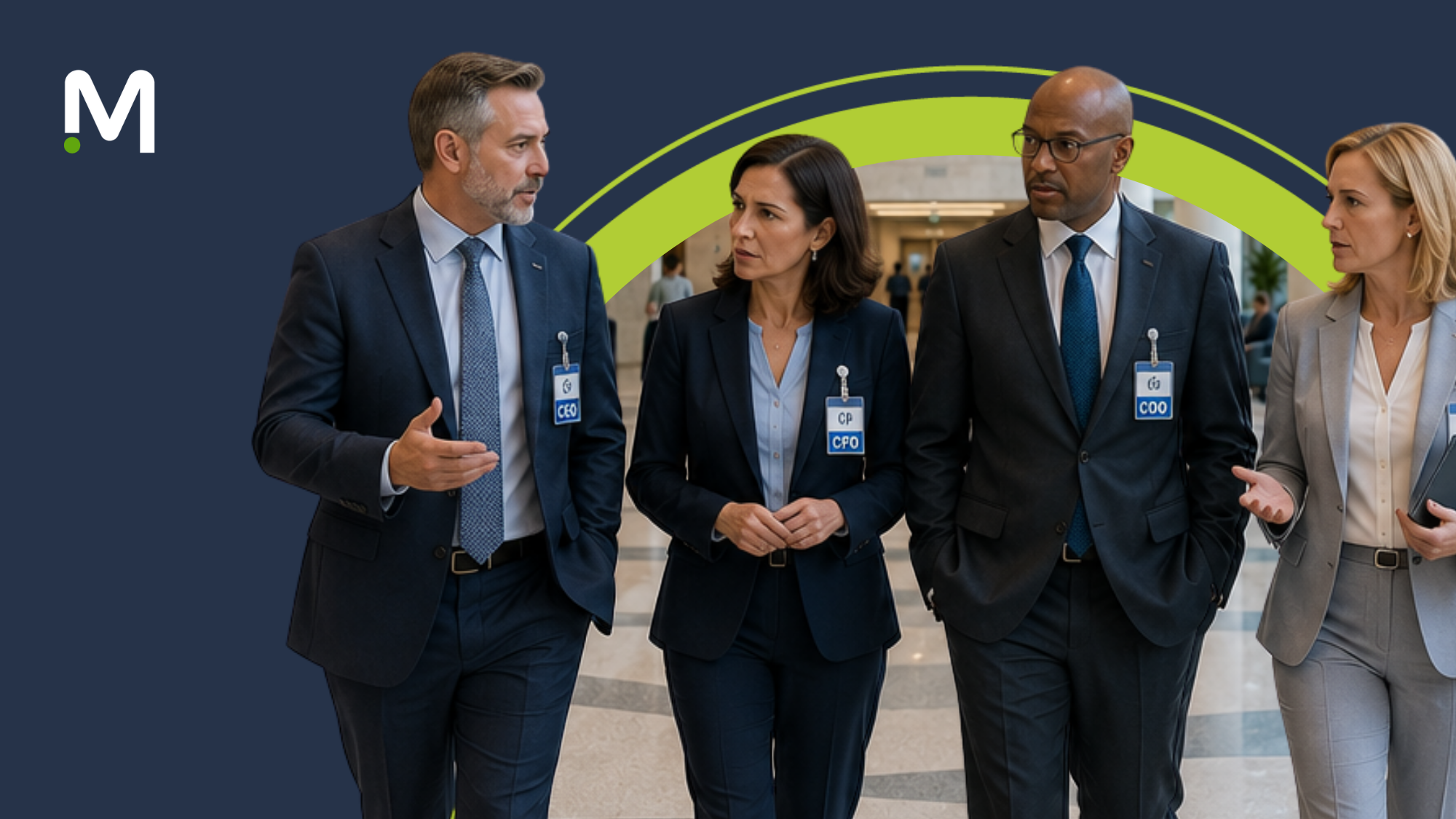
Are you leading a clinical team or managing a healthcare facility? If so, what are the biggest staffing issues keeping you up at night? Whether it’s filling critical roles, battling burnout, or keeping up with changing workforce expectations, the pressure is real. The good news? Emerging trends are tackling these challenges head-on and could be your ticket to a better night’s sleep. It’s essential to watch key staffing trends in 2025 to ensure your organization remains competitive and informed.
Let’s dive into the top healthcare staffing trends shaping 2025, and how they’re helping organizations like yours adapt, lead, and thrive.
1. Flexible Work Options Are Here to Stay
The demand for flexible work arrangements has skyrocketed in recent years, and 2025 is no different. Healthcare professionals are increasingly favoring flexible work schedules.
In our latest Voices of Care survey of RNs and APRNs working at the bedside, clinicians shared why they chose their current work setup — most often pointing to stability, flexibility, and competitive pay. This shift is not just a fleeting trend but a fundamental change in what clinicians expect from their careers.
These flexible arrangements cater to personal needs and offer a better work-life balance, which is especially appealing to younger generations and parents. Healthcare organizations that offer these flexible models are gaining a competitive edge in attracting and retaining skilled talent.
When implemented thoughtfully, flexible work arrangements deliver measurable value for both clinicians and the organizations they serve by:
- Personalized Scheduling: Allowing nurses to choose their workdays and shift times gives them greater autonomy and promotes a better work-life balance.
- Improving Job Satisfaction: Offering flexible scheduling options can lead to a more satisfied and engaged workforce.
- Reducing Stress: Flexibility in scheduling can ease job-related stress by allowing staff to better manage their time and responsibilities.
- Supporting Nurse Retention: Flexible work arrangements are a key factor in retaining experienced nurses and improving staffing stability.
As healthcare continues to evolve, embracing flexible staffing models isn’t just a smart strategy, it’s a necessary shift to meet the expectations of today’s workforce and build a more resilient, satisfied, and sustainable clinical team.
2. AI and Predictive Analytics in Staffing

Artificial intelligence (AI) and predictive analytics are revolutionizing healthcare staffing by automating workflows and enhancing operational efficiency. AI has the capability to enable real-time decision-making and reduce the administrative burdens that often plague healthcare professionals.
The goal of integrating AI in healthcare staffing is also to achieve greater efficiency and significantly reduce administrative burdens for HR teams and managers. Automating tasks such as documentation and scheduling with AI enables staff to concentrate more on patient care, thus enhancing overall healthcare outcomes.
One of the most significant advantages of AI in healthcare staffing is its ability to provide actionable insights. Healthcare leaders can use these insights to make informed decisions about workforce management, ensuring that the right talent is in the right roles at the right time. This not only enhances the efficiency of healthcare teams but also helps in reducing clinician burnout by minimizing administrative tasks.
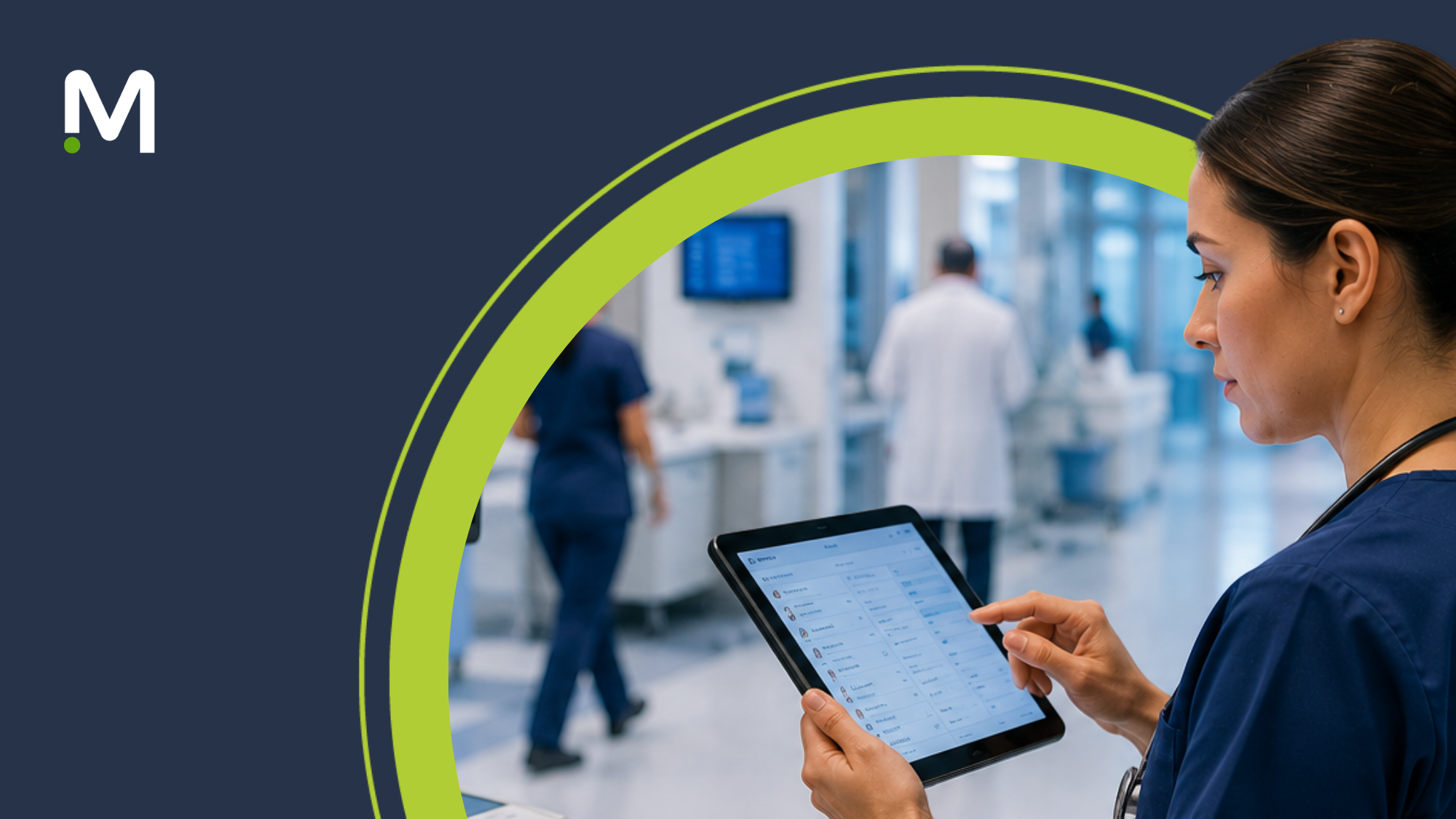
Our platform, ciro, brings this to life by automating staffing processes and delivering real-time, data-backed insights. From simplified candidate recruiting and management to custom dashboards with cost trends by region, unit, and role, ciro empowers health systems to operate more strategically — and with less administrative burden.
The integration of AI and predictive analytics into workforce solutions is not just about technology; it’s about transforming insights into real-world results. These digital tools can free up substantial time for healthcare workers, allowing them to concentrate on what truly matters — providing high-quality patient care.
As we move forward, embracing these advanced technologies will be crucial for healthcare organizations looking to stay ahead in a competitive landscape.
3. Remote Healthcare Staffing Solutions
The adoption of remote healthcare staffing solutions has become a game-changer in addressing staff shortages and expanding care to underserved areas. Telehealth has emerged as a key approach, enabling clinicians to deliver high-quality care remotely while gaining the flexibility they increasingly value.
Facilities that successfully integrate telehealth into their care models are gaining a competitive edge. Hybrid roles that blend in-person and virtual care are also on the rise, helping health systems serve more patients while maintaining continuity and quality of care.
But remote staffing solutions go beyond telehealth. They include a range of services that allow organizations to tap into a broader talent pool — from remote consultations and virtual administration to emerging roles like virtual nursing and virtual sitting. These innovative care models not only enhance patient safety and clinical capacity, but also free up in-person staff for more hands-on needs, offering both flexibility and scalability in today’s shifting healthcare landscape.
4. Managed Services Providers

In the quest for more efficient staffing services, healthcare organizations are increasingly turning to managed services providers (MSPs). These providers, often part of larger healthcare staffing solutions providers, act as a single trusted partner for all contingent staffing needs. By working as partners, MSPs collaborate closely with healthcare organizations to deliver strategic, flexible solutions that help future-proof staffing, improve care quality, and manage costs effectively. This can include recruitment, demand planning, vendor management, compliance, payroll, and billing. This comprehensive approach simplifies operations and provides full visibility into spend and performance through clear, actionable reporting.
One of the key benefits of working with an MSP is the ability to manage labor expenses more effectively. MSPs also provide ongoing support to healthcare organizations, offering resources and assistance to optimize workforce management and strategic planning.
By blending expert partnership with adaptive technology, our MSP option offers a seamless, customized strategy that supports the ever-evolving needs of each healthcare organization we work with. This ensures that these healthcare facilities can fill staffing gaps efficiently and provide quality care without compromising on cost control.
By partnering with a trusted healthcare staffing solutions provider through an MSP model, organizations gain the clarity, consistency, and confidence they need to navigate today’s staffing challenges and stay focused on delivering exceptional patient care. Choosing the right partners is essential for building a future-proof staffing strategy that adapts to industry trends, optimizes care, and manages costs effectively.
5. Temp-to-Perm Models Gain Popularity
The temp-to-perm staffing model is gaining traction as an effective solution for mitigating hiring risks and ensuring a better cultural fit. This approach involves:
- Allowing healthcare facilities to evaluate clinical talent on a contract basis before committing to full-time employment.
- Reducing the likelihood of hiring mistakes.
- Offering candidates temporary contracts to assess their performance and suitability.
- Making a long-term commitment only after evaluation.
Temp-to-perm models also streamline the onboarding process, allowing new hires to integrate into teams more smoothly. This leads to enhanced team inclusion and better workforce stability, ultimately boosting overall performance and patient outcomes. This model offers healthcare professionals the flexibility to explore various work environments and find the best career form fit.
Moreover, temp-to-perm models are particularly beneficial for healthcare organizations looking to stay ahead of the competition. Adopting this approach positions them as attractive employers who prioritize both care quality and staff satisfaction. As a result, organizations are better positioned to manage future workforce challenges, improve patient care, and control costs. This, in turn, helps in building a more resilient and committed healthcare workforce.
Your Healthcare Workforce, Our Mission
At Medical Solutions, our mission is to provide reliable, flexible, and right-for-you workforce solutions that meet the unique needs of healthcare professionals and organizations. We are committed to helping healthcare professionals achieve their career goals and leading healthcare organizations to deliver quality care. As one of the nation’s leading healthcare workforce solutions providers, our adaptable, results-driven approach ensures we remain a trusted partner in the healthcare industry. The healthcare staffing sector is undergoing a significant transformation, driven by evolving patient expectations and technological advancements.
We recognize the uniqueness of every healthcare organization and professional, offering customized workforce solutions tailored to specific needs. Whether you are looking for per diem, contract, or permanent positions, our team is here to help you navigate the ever-evolving healthcare landscape. We listen to your needs and work with you to create a staffing strategy that aligns with your goals and supports your mission.
With over 20 years of experience and one of the nation’s largest healthcare talent networks, our MSP program arms you with a wealth of knowledge and resources. Our scale and expertise allows us to connect healthcare organizations with a vast pool of screened, ready-to-work clinicians, ensuring that they can meet their staffing needs promptly and consistently. We leverage this scale and expertise to connect organizations with a vast pool of screened, ready-to-work clinicians — helping them meet staffing needs promptly, consistently, and with confidence.
Ready to strengthen your workforce strategy?
Partner with Medical Solutions — a healthcare workforce solutions provider committed to delivering flexible, scalable, and innovative talent solutions that meet your unique needs.
Let’s build a stronger, more resilient healthcare workforce — together.